PRODUCT SHEET

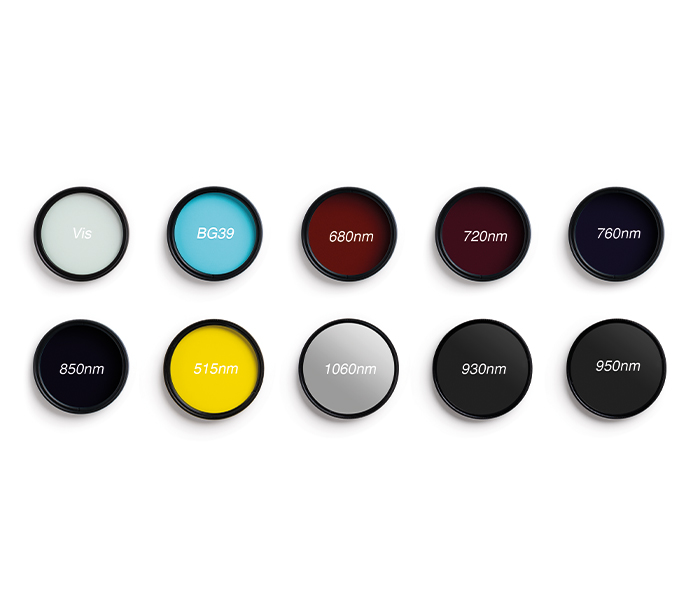
KIT Filters

Filters for Multispectral Cameras

How do Multispectral Cameras work?

 
Madatec multispectral cameras are digital cameras capable of capturing images across various wavelengths, ranging from 350 nm to 1100 nm.

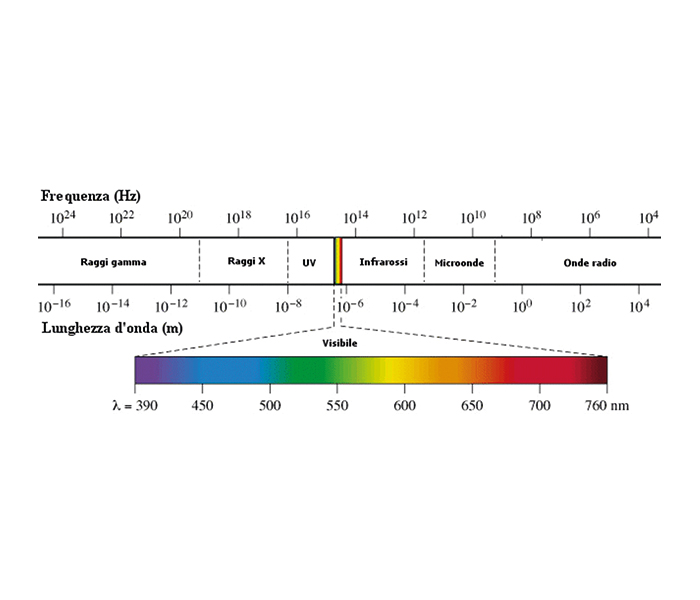
The electromagnetic spectrum is the range of all possible frequencies of electromagnetic radiation. This entire range is divided into broad zones: Gamma rays, X-rays, Ultraviolet, Visible, Infrared, microwaves, and radio waves.


The visible spectrum includes all radiation detectable by the human eye. While a standard camera captures images within the visible spectrum, a multispectral camera is also able to capture images in the upper portion of the UV range and in the Near-Infrared (NIR), allowing for the collection of information that is otherwise imperceptible to the human eye.


By separating light into different bands using optical filters, multiple images of the same scene are recorded—each corresponding to a specific wavelength—and then combined for advanced analysis. Compared to a standard RGB camera, a multispectral system allows for the analysis of the spectral signatures of materials, making it possible to detect contamination, evaluate surface chemical properties, and distinguish between similar materials.


Features and Purposes

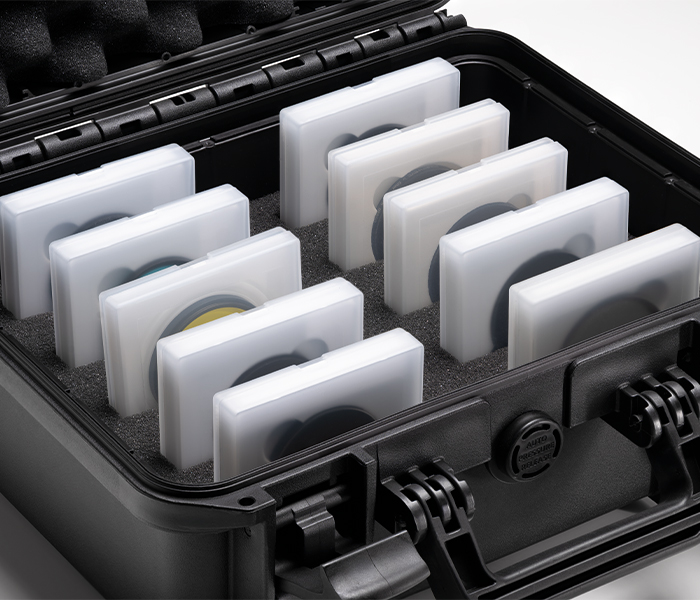
All products are available individually; custom filters and optics can be requested to tailor the setup to your requirements.

DOCUMENTS AND RESOURCES
PRODUCT SHEET

KIT Filters

Filters for Multispectral Cameras

How do Multispectral Cameras work?

 
Madatec multispectral cameras are digital cameras capable of capturing images across various wavelengths, ranging from 350 nm to 1100 nm.

The electromagnetic spectrum is the range of all possible frequencies of electromagnetic radiation. This entire range is divided into broad zones: Gamma rays, X-rays, Ultraviolet, Visible, Infrared, microwaves, and radio waves.


The visible spectrum includes all radiation detectable by the human eye. While a standard camera captures images within the visible spectrum, a multispectral camera is also able to capture images in the upper portion of the UV range and in the Near-Infrared (NIR), allowing for the collection of information that is otherwise imperceptible to the human eye.


By separating light into different bands using optical filters, multiple images of the same scene are recorded—each corresponding to a specific wavelength—and then combined for advanced analysis. Compared to a standard RGB camera, a multispectral system allows for the analysis of the spectral signatures of materials, making it possible to detect contamination, evaluate surface chemical properties, and distinguish between similar materials.
Features and Purposes

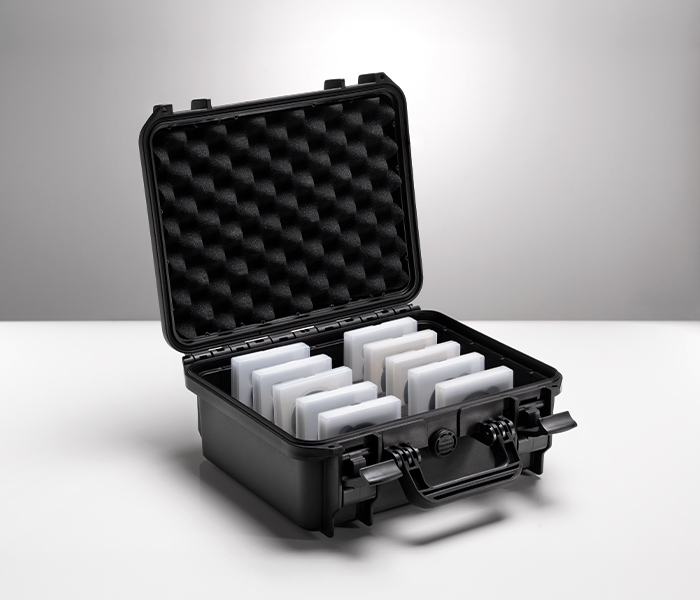
All products are available individually; custom filters and optics can be requested to tailor the setup to your requirements.

DOCUMENTS AND RESOURCES

Contact us to discover the offer dedicated to this product!

Compila il form per richiedere un preventivo.

Compila il form per richiedere un preventivo.